
By late 2025, accessibility has evolved from a legal requirement to a cornerstone of great digital design. Businesses are embracing AI-assisted tools, preparing for WCAG 3.0, and designing with inclusion in mind—especially for neurodiverse users. From better UX and compliance audits to accessible content across all digital platforms, the trend is clear: inclusive design isn’t optional—it’s the future of the web.
… Read More
Legal
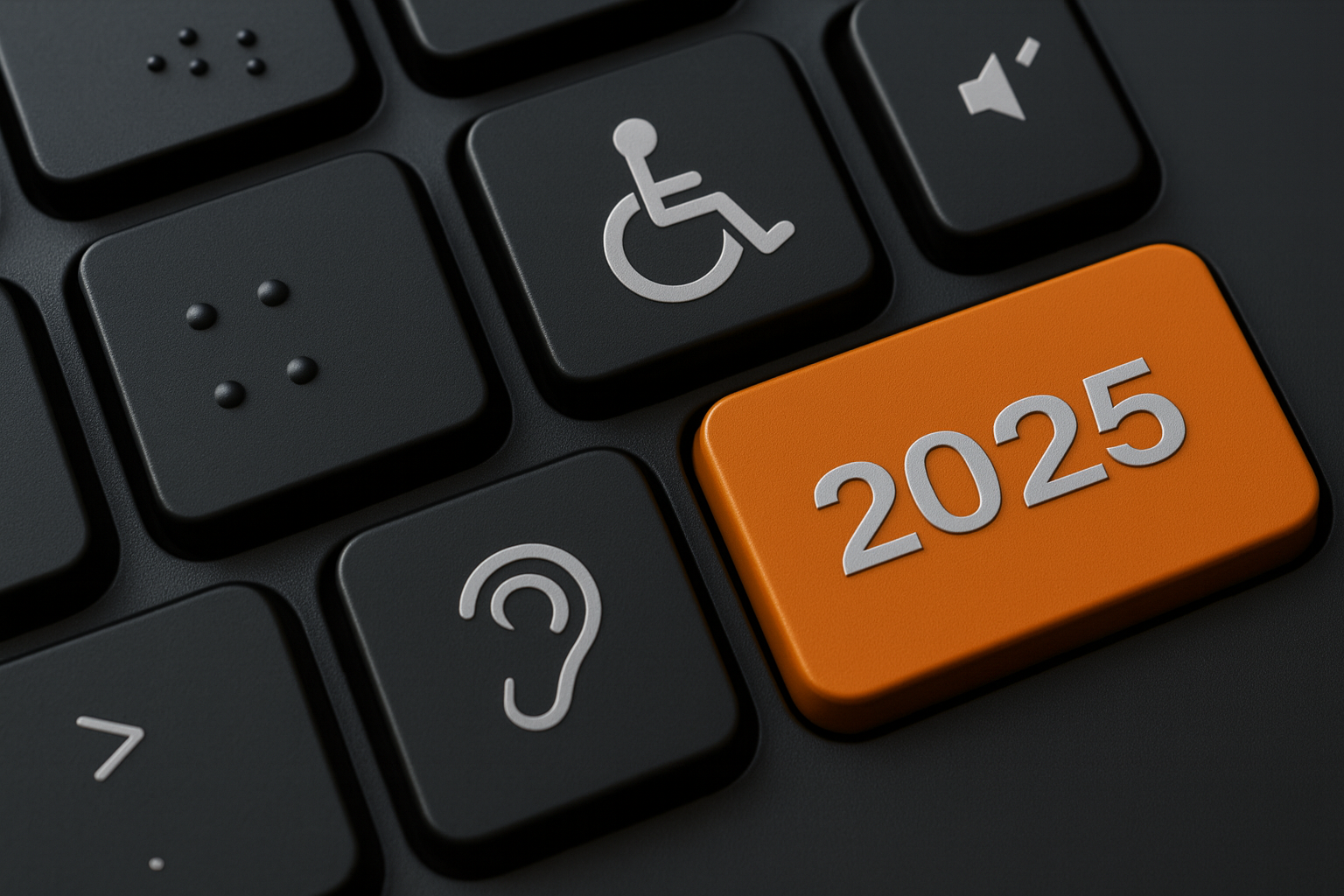
Top Website Accessibility Trends to Watch by the End of 2025

How Universal Design Is Shaping Inclusive Digital Experiences in 2025
In 2025, universal design is redefining digital accessibility. Instead of treating inclusion as an afterthought, businesses are designing websites and apps that work for everyone—regardless of ability, age, or background. By applying principles like intersectional research, inclusive prototyping, and cross-team collaboration, organizations are creating ethical, scalable, and user-friendly digital experiences that meet ADA and WCAG 2.2 standards. … Read More

Why People with Cognitive Disabilities Need Accessible Websites – And How Businesses Can Help
Cognitive disabilities like ADHD, dyslexia, or autism can make navigating cluttered or confusing websites difficult. By following ADA and WCAG guidelines—using clear headings, simple language, consistent navigation, and fewer distractions—businesses can create online experiences that everyone can understand and enjoy. Accessibility isn’t just compliance—it’s good design that builds trust, loyalty, and inclusion. … Read More

Why Accessible Websites Are Good for Business (Not Just Compliance)
Accessible websites aren’t just about avoiding lawsuits—they’re about creating better experiences for everyone. By following ADA and WCAG guidelines, businesses can improve usability, boost SEO, expand their audience, and build trust with customers. Accessibility isn’t just compliance—it’s smart business that shows your brand values inclusion and growth. … Read More

How the United States Protects the Rights of Disabled Users Online
The U.S. government is taking major steps to protect the digital rights of people with disabilities. Under ADA Title III, businesses must make their websites and apps accessible—just like physical locations. The Department of Justice has confirmed that web accessibility is a legal requirement, urging organizations to follow WCAG guidelines for compliance. Accessible websites don’t just prevent lawsuits—they create inclusive experiences for all users. … Read More

ADA Website Compliance: Why It’s Not Optional Anymore
Get ready to witness a new era of app development where intelligence and creativity converge to deliver exceptional user experiences. … Read More

Making Your Website Inclusive: Simple Fixes That Make a Big Impact
Get ready to witness a new era of app development where intelligence and creativity converge to deliver exceptional user experiences. … Read More

How People with Disabilities Access the Internet in 2025
Get ready to witness a new era of app development where intelligence and creativity converge to deliver exceptional user experiences. … Read More

Make Your Website ADA Compliant Now!
Get ready to witness a new era of app development where intelligence and creativity converge to deliver exceptional user experiences. … Read More