
By late 2025, accessibility has evolved from a legal requirement to a cornerstone of great digital design. Businesses are embracing AI-assisted tools, preparing for WCAG 3.0, and designing with inclusion in mind—especially for neurodiverse users. From better UX and compliance audits to accessible content across all digital platforms, the trend is clear: inclusive design isn’t optional—it’s the future of the web.
… Read More
inclusive website design
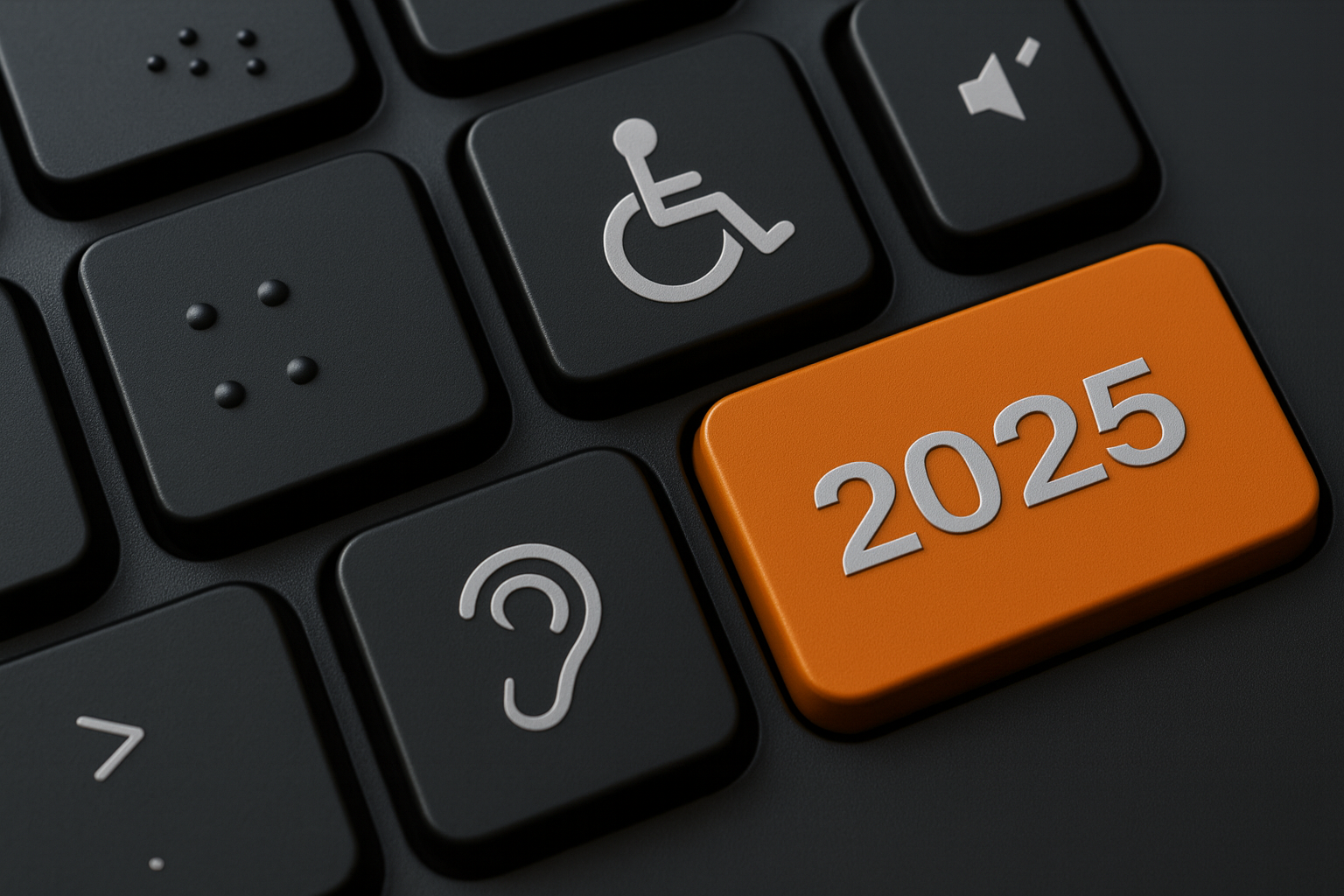
Top Website Accessibility Trends to Watch by the End of 2025

Why People with Cognitive Disabilities Need Accessible Websites – And How Businesses Can Help
Cognitive disabilities like ADHD, dyslexia, or autism can make navigating cluttered or confusing websites difficult. By following ADA and WCAG guidelines—using clear headings, simple language, consistent navigation, and fewer distractions—businesses can create online experiences that everyone can understand and enjoy. Accessibility isn’t just compliance—it’s good design that builds trust, loyalty, and inclusion. … Read More