

Accessible websites don’t just serve users with disabilities, they perform better for everyone. In 2026, accessibility improves usability, strengthens search engine optimization, and increases engagement across devices. Businesses that prioritize accessible design benefit from higher visibility, better conversion rates, and long-term growth. … Read More
Author Archives: Emilija Ubiparipovic

Why Most E-Commerce Stores Have Poor Product Attributes (And Why It Hurts Search)
Product attributes are the foundation of search, filtering, and SEO in e-commerce—but many stores get them wrong. Poorly structured attributes make products harder to find, weaken search engine visibility, and hurt conversion rates. Understanding why this happens is the first step toward better data, improved efficiency, and stronger online sales.
… Read More

Typography and Graphic Design: How Visual Identity Impacts Your Brand Online
Typography and graphic design play a crucial role in how users perceive your brand online. From first impressions to usability and trust, visual identity directly impacts engagement, accessibility, and conversion rates. A well-designed visual system helps businesses strengthen their online presence, improve efficiency, and stand out in competitive digital markets. … Read More

Shopify vs. Magento: Which E-Commerce Solution Is Right for Your Business?
Choosing between Shopify and Magento can define your online sales strategy and long-term business growth. This guide compares ease of use, customization, costs, and scalability to help small businesses and growing brands pick the right e-commerce platform for better efficiency, stronger online presence, and a real competitive edge. … Read More

How Elementor Makes Modular Landing Pages Easy to Build (And Who Benefits Most)
Modular landing pages are essential for modern marketing and growth-focused websites. Elementor simplifies modular landing page creation in WordPress by enabling reusable sections, flexible layouts, and fast iteration without heavy custom development. This approach helps businesses improve efficiency, maintain design consistency, and adapt quickly to campaigns, product launches, and changing market needs. … Read More

ADA Compliance in 2026: Accessibility That Drives Growth
In 2026, ADA compliance is no longer just a legal requirement. It’s a strategic business priority. With updated accessibility standards (including WCAG 2.2+), new federal rules, and global accessibility laws taking effect, inclusive design improves user experience, strengthens SEO performance, and unlocks broader audiences. Businesses that invest in accessible websites and mobile apps now will reduce legal risk, improve efficiency, and support sustainable business growth. … Read More

Mobile E-Commerce Trends Defining 2026: How Small Businesses Can Stay Ahead
Get ready to witness a new era of app development where intelligence and creativity converge to deliver exceptional user experiences. … Read More

Custom Website vs. Template: Which Is Better for Mobile E-Commerce?
Get ready to witness a new era of app development where intelligence and creativity converge to deliver exceptional user experiences. … Read More
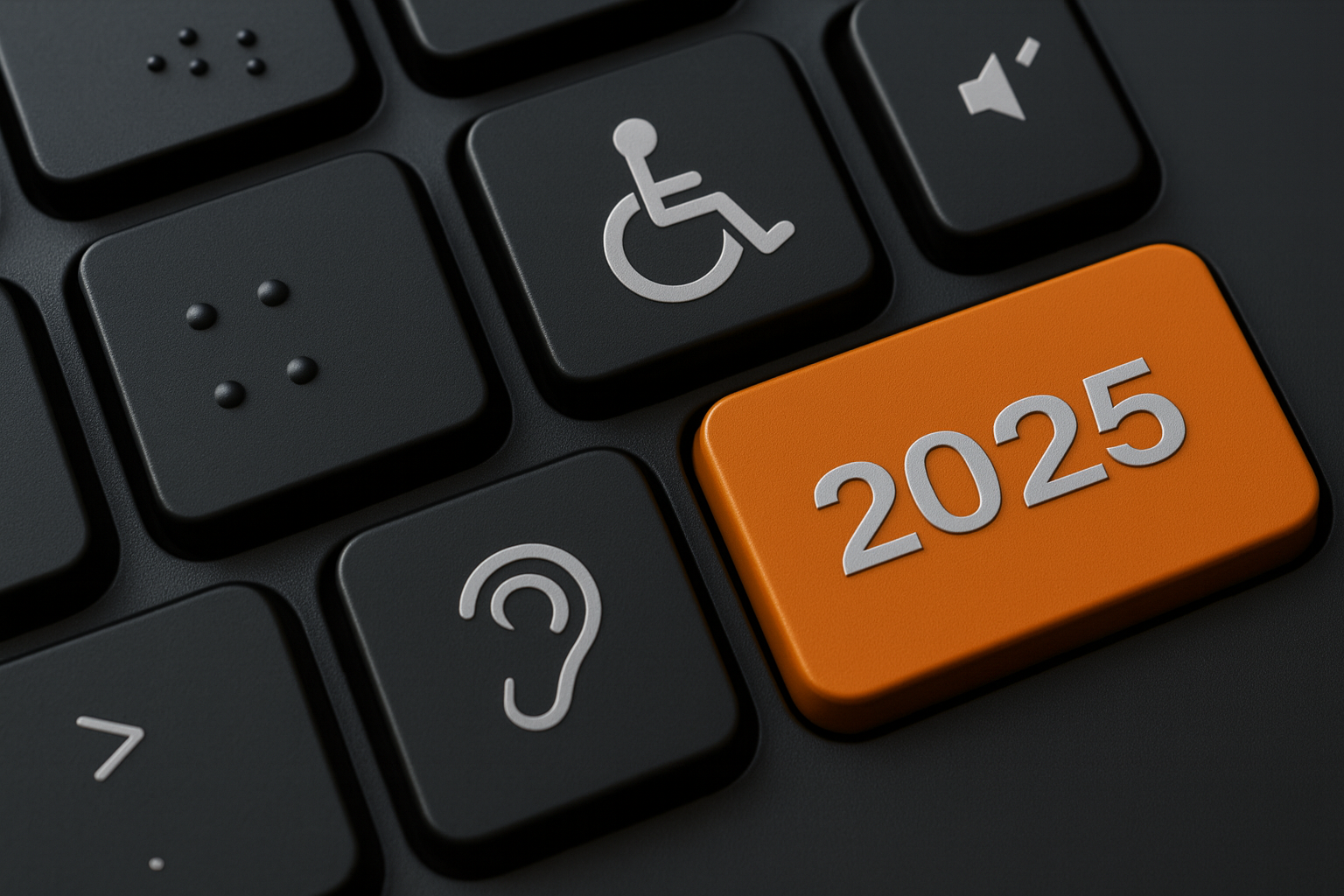
Top Website Accessibility Trends to Watch by the End of 2025
By late 2025, accessibility has evolved from a legal requirement to a cornerstone of great digital design. Businesses are embracing AI-assisted tools, preparing for WCAG 3.0, and designing with inclusion in mind—especially for neurodiverse users. From better UX and compliance audits to accessible content across all digital platforms, the trend is clear: inclusive design isn’t optional—it’s the future of the web.
… Read More

The Mobile-First Indexing Trend: Is Your Website Ready?
Search engines are constantly evolving, and one of the biggest shifts in recent years has been mobile-first indexing. If your website isn’t mobile-optimized, you risk losing visibility, traffic, and ultimately, customers. … Read More